Circular Materials Engineering: From Recyclability to Performance Recovery
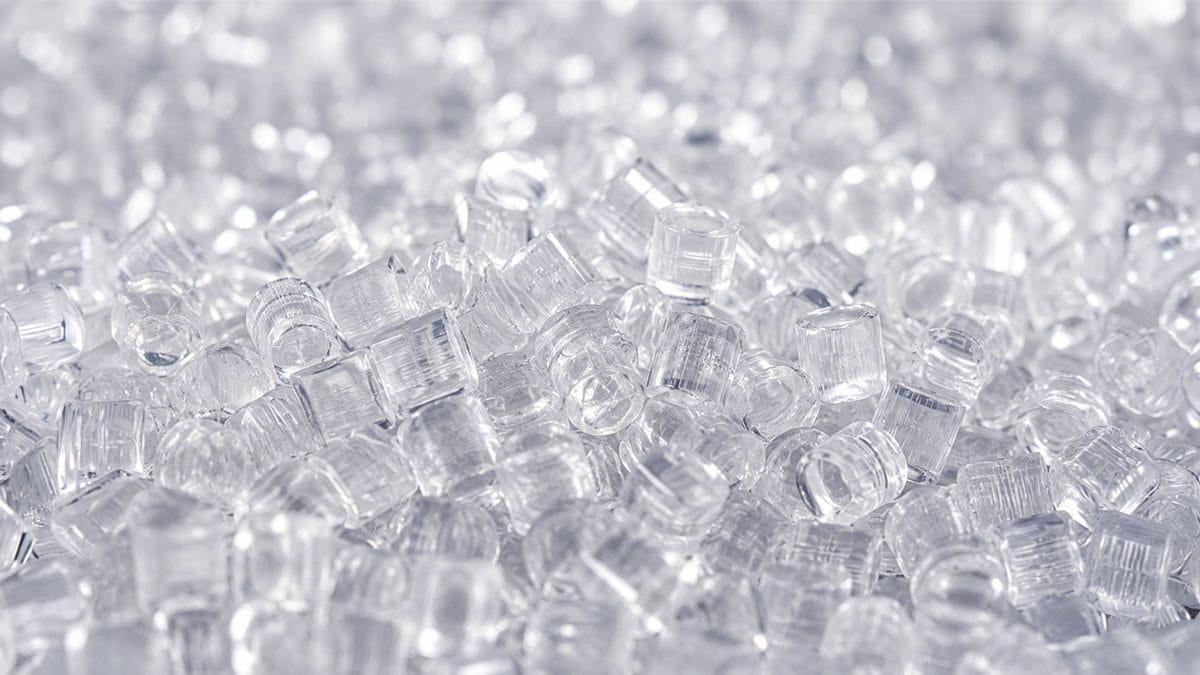
Sustainability has become a baseline requirement rather than a differentiator. However, the industrial application of recycled polymers remains limited, primarily due to performance degradation. Numerous studies have shown that mechanical recycling processes induce chain scission, thermal degradation, and structural instability, which significantly reduce mechanical strength and durability [1]. As a result, recycled materials are often confined to low-value applications, reinforcing a downcycling-oriented ecosystem rather than enabling true circularity.
Structural Limitations of Recycled Polymers: Performance Degradation
During recycling, polymers are exposed to repeated thermal histories and mechanical stresses, leading to a reduction in molecular weight and increased structural heterogeneity. These changes directly impact key performance indicators such as tensile strength, impact resistance, and thermal stability. Research on recycled PET indicates that intrinsic viscosity decreases as degradation progresses, resulting in diminished mechanical integrity and limiting its applicability in high-performance industries [2]. This demonstrates that simple recycling processes alone are insufficient to meet industrial-grade requirements, making advanced material design strategies essential.
From Downcycling to Upcycling: Industry Transition
The materials industry is now shifting from downcycling to upcycling. While downcycling reduces the value of materials, upcycling focuses on restoring or even enhancing performance to enable use in high-value applications. This transition is closely aligned with the evolving demands of global brands and OEMs, which increasingly require materials that satisfy both sustainability and performance criteria. The Ellen MacArthur Foundation has emphasized that maintaining functional material value is critical for achieving a truly circular economy. Consequently, the focus is no longer on whether materials are recyclable, but on whether they can retain or recover performance after recycling.
AM Solution’s Approach: Performance-Recovery Material Engineering
AM Solution approaches recycled materials not as eco-friendly substitutes but as high-performance engineering materials. Its strategy integrates molecular design with reactive additive technologies to restore polymer performance at a structural level. Rather than compensating for degradation, this approach aims to redefine performance benchmarks for recycled materials by aligning material properties with real industrial requirements.
Reactive Thickening Technology: Molecular-Level Restoration
Recycled polymers such as r-PET experience reduced viscosity and mechanical strength due to molecular chain scission. AM Solution applies reactive chain extension technology to rebuild molecular weight and restore chain architecture. This approach is supported by polymer science research demonstrating that reactive chain extenders can significantly improve melt strength and mechanical properties, effectively restoring processability and end-use performance [3]. Through this method, recycled materials can achieve performance levels close to those of virgin materials, expanding their applicability to high-value sectors.
SCF Foaming: Simultaneous Sustainability and Performance
Supercritical fluid (SCF) foaming represents a next-generation processing technology that enables lightweighting without the use of chemical blowing agents. By utilizing nitrogen-based supercritical fluids, this process achieves reduced material usage while maintaining structural integrity and mechanical performance. Studies in advanced polymer processing highlight SCF foaming as a key technology for sustainable manufacturing, particularly in automotive and packaging industries, due to its ability to balance weight reduction with performance retention. This makes it a critical enabler for achieving both environmental and functional objectives.
Meeting Global ESG Requirements
Global ESG standards are evolving beyond simple recyclability metrics toward a more comprehensive evaluation of performance, durability, and lifecycle impact. According to industry analyses by Deloitte, sustainable materials must meet operational and economic performance criteria to be viable at scale [4]. This indicates that sustainability must be engineered at the material level, integrating performance recovery and process compatibility from the outset. As a result, performance-recovered circular materials are emerging as a new standard demanded by global OEMs and brands.
Performance is the New Benchmark for Sustainability
The competitiveness of recycled materials can no longer be defined by environmental attributes alone. The future lies in materials that maintain or recover performance while enabling circularity and seamless integration into existing manufacturing systems. Circular Materials Engineering represents this paradigm shift. AM Solution delivers this through an integrated approach that combines molecular design, process optimization, and structural engineering, ensuring that sustainability and performance are no longer trade-offs but co-optimized outcomes.
References
[1] Al-Sabagh, A. M. 외, “Greener routes for recycling of polyethylene terephthalate,” Egyptian Journal of Petroleum, 2016.
[2] Awaja, F., Pavel, D., “Recycling of PET,” European Polymer Journal, 2005.
[3] Vilaplana, F., Karlsson, S., “Quality concepts for the improved use of recycled polymeric materials,” Progress in Polymer Science, 2008.
[4] Deloitte, Smart Manufacturing & Sustainability Reports, 2025.
Why do recycled polymers often underperform compared to virgin materials?
Mechanical recycling exposes polymers to repeated thermal and mechanical stress, causing chain scission and molecular weight reduction. This leads to lower tensile strength, impact resistance, and thermal stability—limiting recycled materials to low-value applications.
What is the difference between downcycling and upcycling in materials engineering?
Downcycling reduces material value with each recycling cycle, while upcycling restores or enhances performance to enable use in high-value applications. AM Solution's approach focuses on upcycling—recovering material performance at the molecular level rather than accepting degradation.
How does AM Solution restore the performance of recycled polymers like r-PET?
AM Solution applies reactive chain extension technology to rebuild molecular weight and restore chain architecture in degraded polymers. This approach recovers melt strength and mechanical properties, bringing recycled materials close to virgin-grade performance levels.
What is SCF foaming and how does it support sustainable manufacturing?
SCF (Supercritical Fluid) foaming uses nitrogen-based supercritical fluids to achieve lightweighting without chemical blowing agents. It reduces material usage while maintaining structural integrity—making it a key technology for sustainable production in automotive and packaging industries.
How do AM Solution's circular materials meet global ESG requirements?
Global ESG standards now require recycled materials to meet performance, durability, and lifecycle criteria—not just recyclability. AM Solution engineers performance recovery and process compatibility from the material design stage, enabling circular materials to qualify for high-value industrial applications.